What is Utah crime victim compensation?
the Utah Crime Victim Reparations program is administered by the Utah Office for Victims of Crime (UOVC). It is a government program that helps victims of violent crime — and certain family members — with the out-of-pocket costs a crime leaves behind. It is a payer of last resort: it covers expenses not paid by insurance or other sources, and it does not require you to prove that anyone was at fault.
How much can you receive?
The program pays up to $25,000 (medical up to $50,000 for serious injury; funeral up to $14,000). It typically helps with:
- Medical care
- Mental-health counseling
- Lost wages and loss of support
- Funeral and burial costs
Who is eligible?
You must be a victim of a crime in Utah, report it to law enforcement (sexual-assault victims may instead work with a victim advocate), and cooperate with the investigation. Utah no longer sets a fixed reporting or filing deadline, but apply as soon as possible. Benefits are available regardless of arrest or conviction.
Deadlines that matter
- Report the crime: promptly.
- Apply: within a reasonable time of the crime (exceptions may apply, especially for minors).
Because deadlines and rules can change, confirm the current requirements with the Utah Office for Victims of Crime (UOVC) or with a lawyer.
Compensation vs. a civil lawsuit — the difference that matters
Compensation is vital, immediate help, but it is capped at $25,000 and only covers certain costs. If your injury was caused by a crime that a property owner could have prevented with reasonable security, you may also have a civil negligent-security claim — a separate case that can recover the full cost of your medical care, lost earning capacity, and pain and suffering, with no such cap. Many victims pursue both. The Haggard Law Firm can review whether you have a civil claim, free.
How we handle a Utah case — working with local counsel
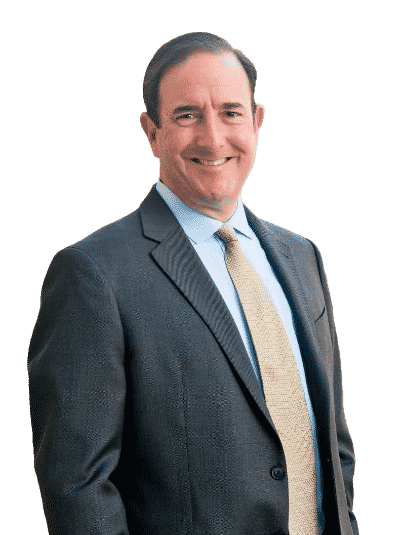
The Haggard Law Firm is based in Coral Gables, Florida, and Michael A. Haggard is licensed to practice law in Florida. Mr. Haggard is not licensed in Utah. Negligent security and crime-victim litigation is the firm’s core focus, and because of the national reputation the firm has built in this specific area, Mr. Haggard regularly works on Utah cases as co-counsel with a locally licensed Utah attorney, seeking admission pro hac vice (for the individual case) where the court’s rules permit. Any Utah matter would be handled together with local counsel admitted in Utah.
If you were shot, stabbed, or lost a loved one to a preventable crime in Utah, you can still reach out to us directly. We will review your case for free and, where appropriate, associate with a qualified Utah attorney to pursue it.
This page is attorney advertising and general information only; it is not legal advice and does not create an attorney-client relationship. Michael A. Haggard is licensed in Florida. Prior results do not guarantee a similar outcome.
Frequently asked questions
How much does Utah crime victim compensation pay?
Up to $25,000 (medical up to $50,000 for serious injury; funeral up to $14,000), covering costs like medical care, counseling, lost wages, and funeral expenses not paid by insurance.
What is the deadline to apply in Utah?
You generally must report the crime to police promptly and file your application within a reasonable time of the crime. Exceptions sometimes apply, so confirm your specific deadline.
Can I get compensation and also sue?
Often yes. Compensation is a capped government fund; a civil negligent-security lawsuit against a negligent property owner is separate and can recover far more. A free case review will tell you whether you have a civil claim.
Is Michael Haggard licensed to practice in Utah?
Mr. Haggard is licensed in Florida, not in Utah. Because negligent-security litigation is his firm's core focus and the firm has a national profile in these cases, he regularly serves as co-counsel with a locally licensed Utah attorney and, where the court permits, appears pro hac vice for the individual case. You can contact the firm directly, and where appropriate it will associate with qualified local counsel in Utah.